The three numbers that matter
| Run type | Time | Source |
|---|---|---|
| Main story, focused | ~30 hours | Lead gameplay designer Sergey Mohov |
| Main story plus exploration | ~35 hours | Remedy comms director Thomas Puha |
| Completionist / 100% | ~50 hours | Remedy, via multiple outlets |
PlayStation.Blog gives the campaign as 25–35 hours, which brackets the 30-hour figure rather than contradicting it. Treat 30 as the planning number and 35 as realistic if you stop to look at things.
Three times longer than the original
The original Control averaged about 11 hours, so Resonant is close to three times its length. That is a direct consequence of the shift from a focused third-person shooter to an action RPG with a much larger scope.
Remedy calls it "their most expansive game to date," which matches the timings rather than overselling them. The 30-hour campaign is not padded with a repeated open-world checklist — the structure is zone-based.
Where the extra 20 hours go
The gap between 30 and 50 hours is optional content. Manhattan is divided into large, distinct zones filled with side quests, hidden encounters and optional discoveries, and none of it is mandatory to reach the credits. Some of it spans the whole map: the Mysterious Dog side story, for example, has you return her toy once in each of the seven zones (see Control Resonant Dog Toy Locations).
Because it is not an open world, exploration is contained rather than endless — you decide how much of each zone to clear. Fast travel between zones is near-instant, which keeps completionist cleanup from turning into travel time.
Difficulty scaling changes the back half
Zone difficulty escalates as you progress and enemies level alongside you. That means late-game side content takes longer per objective than early side content does, so a completionist run is not evenly paced.
If you are optimising for time, clearing a zone’s optional content while it is level-appropriate is cheaper than saving everything for a post-credits sweep.
What about a second playthrough?
New Game Plus ships at launch rather than arriving in a later patch, and it carries your abilities over. A second run is therefore substantially quicker than the first, since you are not rebuilding the power curve from zero.
Talents and artifacts can also be respecced freely during a normal playthrough, so you do not need a second run purely to try a different build.
Time to beat for the platinum
Trophy hunters have their own number. PowerPyx puts the Control Resonant platinum at 40–50 hours, or 30–40 hours with Assist Mode, and estimates 20–30 hours of that is the story. That lines up with Remedy’s 50-hour completionist figure: the platinum is essentially a 100% run.
| Goal | Time | Source |
|---|---|---|
| Credits, focused | ~30 hours | Sergey Mohov, Remedy |
| Platinum, Assist Mode on | 30–40 hours | PowerPyx |
| Platinum, Assist Mode off | 40–50 hours | PowerPyx |
Most of the extra time is collectibles and side stories: six Secret Hideouts, eleven Sketchbook scenes, six Testing Facilities and 20 FBC Tasks. The trophy guide has the full roadmap and the mission list shows every quest you will pass through.
Is 30 hours worth $59.99?
That is the actual question behind most searches for this. At $59.99 for the Standard Edition, roughly 30 hours of main story puts it in line with other full-price single-player releases, and the $69.99 Deluxe adds digital extras rather than gameplay.
One caveat worth knowing before you commit the time: reviews that criticise the game consistently point at repetition in combat encounters over long sessions, while praising art direction and story throughout.
What the campaign is made of
The structure is zone-based rather than open world. Manhattan is divided into large, distinct areas, and the main thread runs through them while side quests, hidden encounters and optional discoveries sit alongside it. Fast travel between zones is near-instant, so moving around costs almost nothing.
That matters for planning. Unlike an open-world game where traversal inflates every activity, the 30-to-50-hour range here is mostly content time. What you skip is genuinely skipped rather than deferred.
Progression pacing
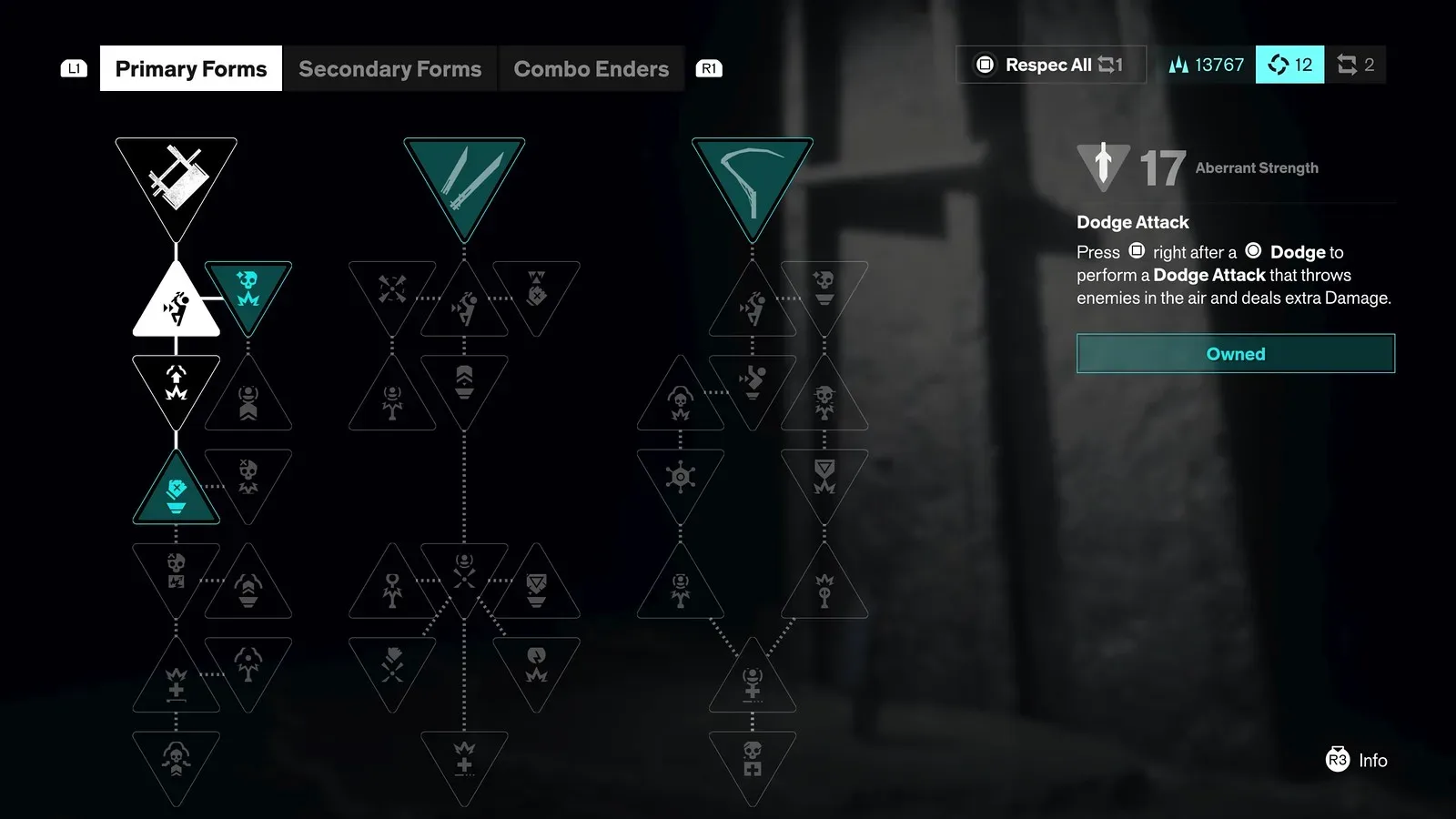
You earn a talent point on every level-up, and paranatural abilities come from defeating Resonant bosses rather than from a shop. Because the power curve is tied to story progress, rushing the main path still leaves you reasonably equipped.
Each Aberrant form also has its own upgrade tree. Spreading investment across forms slows down how quickly any single one becomes strong, which is one reason some players report the first several hours feeling slower than the rest of the campaign.
Planning your playtime around launch
- PS5 Digital Deluxe owners start September 22, two days before everyone else.
- Everyone else unlocks September 24 at 2:00 PM GMT, the same instant worldwide.
- Pre-load opens 48 hours early — 104 GB on PC, 90 GB on PS5, 82 GB on Xbox.
- Physical discs ship October 15, so a disc copy means starting three weeks later.
At roughly 30 hours, a launch-week playthrough is realistic in about a week of evenings, or a long weekend if you are committed.
Does length match the review consensus?
The game reviewed at 84 on Metacritic with praise for art direction and story throughout. The criticism that recurs most is repetition in combat encounters, and that is a complaint specifically about duration — repeating systems feel different at 30 hours than at 11.
If you tend to lose interest in long action games, the lower-scoring reviews are worth reading before you commit. If you play for atmosphere and story, the length is more likely to read as value than as padding.
How level scaling stretches the clock
The single biggest thing that pushes a run past the 30-hour figure is not side content you chose — it is side content the game pushes you back towards. PC Gamer’s reviewer describes beelining for story leads and sidequests, then hitting areas where enemies had scaled past their current level, which is calculated from weapon upgrades, spent talent points and collected health and power increases.
The fix is to circle back and clear encounters and world activities you had deliberately skipped, purely to get your level back up to par. In other words, a pure main-story rush is not fully supported: some of the "optional" 20 hours quietly becomes mandatory if you skip too much of it too early.
This is the practical reason the earlier advice holds — clear a zone’s optional content while it is level-appropriate. Doing it in order costs you time once. Skipping it and being sent back costs you the same time plus the travel and the re-clear.
Difficulty sliders are the real time control
Resonant ships with granular difficulty adjustment rather than a fixed set of presets, and that is the most direct lever you have over total playtime. PC Gamer’s reviewer raised outgoing damage and stagger buildup for the story’s final quests specifically to speed combat along, and explicitly recommends doing it earlier than they did.
That matters because the late game inflates enemy health pools and damage resistances. If your 30-hour target is slipping, the back half is where it slips, and the sliders cut that stretch down without skipping any content.
Does the length hold up across 30 hours?
This is where the reviews split, and it is worth knowing before you commit the time. PC Gamer scored the game lower than the Metacritic average and the objection is squarely about duration: the spectacle of Dylan’s repetitive executions cannot sustain a 30-plus-hour playtime, and the combat is not compelling enough to seek out even though the game expects you to.
Progression is part of the same complaint. Keeping pace with enemy scaling produces an excess of weapon upgrade materials and talent points, so by the late game you are spending resources on weapon shapes you never use and talents for abilities you have not unlocked yet. The hours keep accumulating while the sense of getting stronger flattens out.
The praise is consistent in the other direction. The same review keeps returning to the world — hand-crafted zones, blacked-out bureau reports, layered gravity-bending traversal routes — and to the voice performances. If you play for atmosphere and lore, 30 hours reads as value. If you play for combat, treat 30 as the ceiling, not the target, and use the sliders.
How the estimates were produced
These are developer figures rather than crowd-sourced averages. Sergey Mohov, the lead gameplay designer, gave the roughly 30-hour main story figure and the near-50-hour completionist figure, and Thomas Puha reported his own 35-hour first playthrough.
PlayStation.Blog’s 25–35 hour range brackets the same number from the platform side. We have not published a HowLongToBeat median here, because community timings only become meaningful after a game has been in players’ hands for a while.
Cost per hour against the editions
| Edition | Price | Notes |
|---|---|---|
| Standard | $59.99 | Roughly $2 per hour across a 30-hour main story |
| Digital Deluxe | $69.99 | Adds digital extras; PS5 also gets early access on Sep 22 |
| The Siblings Collection | $98.98 | Adds Control Ultimate Edition, about 11 more hours of story |
None of the paid extras add campaign length. The Deluxe Edition’s artbook, soundtrack, outfit, artifact and starter bundle are supplementary, so a Standard Edition buyer sees exactly the same 30-to-50-hour game.
Which figure should you plan around?
Use 30 hours if you intend to follow the main path and treat side content as optional. Use 35 if you tend to explore a zone before moving on, which is what a Remedy comms director’s own playthrough took.
Use 50 only if you are committed to clearing every zone’s optional content. Because late-game zones scale in difficulty, that final stretch is the slowest part of the run and the easiest to underestimate.
Sources
- Insider Gaming — How Long Is Control Resonant?
- GameNGuide — Main story runs about 30 hours, up to 50 for completionists
- PlayStation.Blog — Control Resonant: PS5 features detailed
- Remedy Entertainment — CONTROL Resonant Launches Worldwide on September 24
- PC Gamer — Control Resonant review
- PowerPyx — Control Resonant trophy guide and roadmap